Best Ear Specialist in Lahore - Prof. Dr. Muhammad Irshad Malik (FCPS ENT, Ear Surgeon)
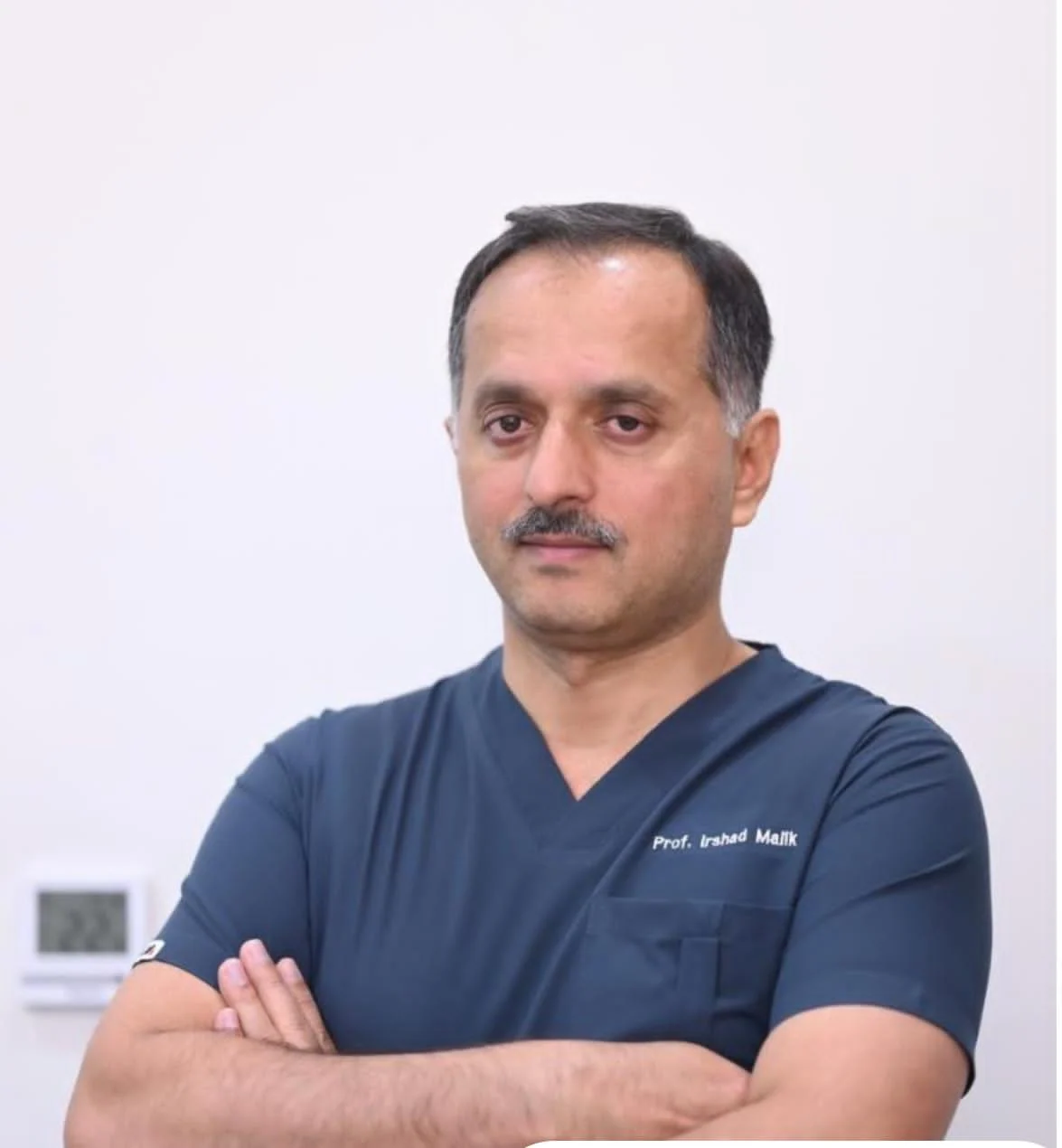
Prof. Dr. Muhammad Irshad Malik is an FCPS-qualified ear specialist in Lahore with over 20 years of surgical experience in ear disease, hearing loss, and ear microsurgery. He is Professor and Head of ENT Surgery at Allama Iqbal Medical College and Jinnah Hospital, Lahore, and founded the Cochlear Implant Programme at Jinnah Hospital. Consultations are available at three clinic locations across Lahore.
An ear specialist diagnoses and treats conditions affecting the outer, middle, and inner ear, including hearing loss, impacted ear wax, ear infections, tinnitus, vertigo, cholesteatoma, perforated eardrums, and otosclerosis. Prof. Dr. Muhammad Irshad Malik performs ear microsurgery, including tympanoplasty, mastoidectomy, ossiculoplasty, stapedectomy, and cochlear implant surgery in Lahore.
Table of Contents
Meet Prof. Dr. Muhammad Irshad Malik — Ear Doctor in Lahore
Prof. Dr. Muhammad Irshad Malik is an FCPS-qualified ear specialist in Lahore and Professor of Otolaryngology at Allama Iqbal Medical College (AIMC) and Jinnah Hospital — see his full academic profile and qualifications. His clinical focus covers hearing loss, chronic ear infections, tinnitus, vertigo, cholesteatoma, perforated eardrums, and otosclerosis. He is registered with the Pakistan Medical Commission (PMC).
His ear surgical practice spans over 20 years and includes paediatric and adult cochlear implant surgery, tympanoplasty, mastoidectomy, ossiculoplasty, and stapedectomy. Related ENT care for nose and sinus problems and throat and voice disorders is also available within the same practice. He founded the Cochlear Implant Programme at Jinnah Hospital and performed the first bilateral cochlear implant surgery in the ENT Department of Sir Ganga Ram Hospital under FJMU on 1 June 2024.
As Professor and Head of ENT Surgery at AIMC and Jinnah Hospital, he leads a tertiary-level surgical department where complex ear and hearing conditions are managed alongside postgraduate ENT teaching and training.
Hearing assessment, microscopic ear examination, audiometry, tympanometry, BERA, and OAE testing are available at ENT 360 Care Clinic in Valencia Town. Ear specialist consultations are also held at Omer Hospital in Johar Town and on Jail Road, Lahore.
FCPS (ENT Surgery)
Postgraduate specialist qualification in ENT Surgery awarded by the College of Physicians and Surgeons Pakistan (CPSP)
20+ Years of Ear Surgical Experience
Surgical practice in ear microsurgery including tympanoplasty, mastoidectomy, ossiculoplasty, and cochlear implantation
Cochlear Implant Surgeon
Founded the Cochlear Implant Programme at Jinnah Hospital. Specialist cochlear implant assessment and surgical management.
Professor and Head of ENT Surgery
Unit I, Allama Iqbal Medical College and Jinnah Hospital, Lahore
Ear Diagnostics at ENT 360 Care Clinic
Audiometry, tympanometry, BERA, OAE, and microscopic ear examination available at Valencia Town clinic
PMDC Registered
Registered medical practitioner with the Pakistan Medical Commission
Why Choose Prof. Dr. Muhammad Irshad Malik as Your Ear Specialist in Lahore?
Academic and Institutional Standing
Prof. Dr. Muhammad Irshad Malik is Professor and Head of ENT Surgery Unit I at Allama Iqbal Medical College (AIMC) and Jinnah Hospital, Lahore.
His hospital role involves leading ENT surgical services, teaching undergraduate MBBS students, and supervising postgraduate FCPS trainees. Complex ear cases, including cochlear implant surgery, mastoidectomy for cholesteatoma, and other advanced ear procedures, are managed at Jinnah Hospital alongside his academic responsibilities.
Cochlear Implant Surgical Experience
Prof. Dr. Muhammad Irshad Malik founded the Cochlear Implant Programme at Jinnah Hospital and performed the first bilateral cochlear implant surgery in the ENT Department of Sir Ganga Ram Hospital under FJMU on 1 June 2024. Pre-implant assessment includes hearing tests such as pure-tone audiometry, speech audiometry, and BERA.
When clinically indicated, CT of the temporal bones or MRI of the internal auditory canals is arranged as part of the candidacy evaluation. Surgical planning and post-operative management are coordinated with the relevant audiology and rehabilitation professionals involved in the patient's care.
Specialist Access Across Lahore
Prof. Dr. Muhammad Irshad Malik holds ear specialist consultations at three locations in Lahore. ENT 360 Care Clinic in Valencia Town is the primary diagnostic site, with audiometry, tympanometry, BERA, OAE, and microscopic ear examination available. Evening consultations are available at Omer Hospital in Johar Town and Omer Hospital on Jail Road.
Ear Diagnostic Services at Our ENT Clinics, Lahore
The following tests are used to assess ear conditions, hearing loss, and balance problems. Tests are arranged based on the patient's symptoms and clinical findings. Results are reviewed as part of treatment planning at the consultation.
Ear Examination
Microscopic Ear Examination
What it is: A binocular surgical microscope provides a magnified view of the ear canal and eardrum.
What it assesses: Small perforations, retraction pockets, cholesteatoma, and canal wall changes that may not be visible on standard examination.
When used: Routinely for patients with ear discharge, hearing loss, or a history of ear disease.
Otoscopy and Ear Endoscopy
What it is: A thin rigid endoscope projects a clear image of the ear canal and eardrum onto a monitor.
What it assesses: Eardrum integrity, the size and location of perforations, and the condition of the ear canal.
When used: As part of routine ear examination, particularly when patient-visible images are clinically useful.
Hearing Tests
Pure Tone Audiometry
What it is: A hearing test measuring the quietest sounds audible across a range of frequencies from 250 Hz to 8,000 Hz.
What it assesses: Presence, type, and degree of hearing loss, distinguishing between conductive and sensorineural hearing loss.
When used: For any patient presenting with hearing difficulty, hearing loss, or tinnitus.
Tympanometry
What it is: A probe placed gently at the ear canal entrance measures eardrum response to small pressure changes.
What it assesses: Middle-ear pressure, eardrum mobility, and findings associated with fluid behind the eardrum or Eustachian tube dysfunction.
When used: For patients with ear fullness, glue ear, recurrent ear infections, or middle-ear assessment in children.
Speech Audiometry
What it is: Measures word recognition and speech understanding rather than simple detection of sound.
What it assesses: How clearly a patient understands spoken words, which may differ significantly from their pure-tone hearing threshold.
When used: When pure-tone results alone do not fully explain a patient's hearing difficulty, and when assessing suitability for hearing aids or cochlear implant evaluation.
Otoacoustic Emissions (OAE)
What it is: A probe placed in the ear canal records sounds produced by the cochlea in response to a stimulus.
What it assesses: Cochlear outer-hair-cell function.
When used: Commonly used in newborn and infant hearing screening, and in pediatric hearing assessment when behavioral testing is not fully reliable.
BERA / ABR Testing
What it is: Small sensors placed on the scalp record electrical activity from the auditory pathway in response to sound.
What it assesses: Objective auditory pathway responses, useful when behavioral hearing testing is not reliable or when additional information is needed.
When used: For infants, young children, or patients whose hearing cannot be fully assessed through standard audiometry, and as part of cochlear implant candidacy assessment when clinically indicated.
Balance Assessment
Dix-Hallpike Test
What it is: A positional head-movement test performed by the clinician to assess for posterior canal BPPV.
What it assesses: Characteristic vertigo and nystagmus that help identify benign paroxysmal positional vertigo.
When used: For patients presenting with brief episodes of spinning vertigo triggered by head movement. Where findings support it, a repositioning manoeuvre such as the Epley procedure may be performed at the same visit.
Imaging When Clinically Indicated
CT of the Temporal Bones
What it is: High-resolution CT imaging of the bony structures of the ear and skull base.
What it assesses: Bony anatomy, extent of mastoid disease or cholesteatoma, and structural detail relevant to ear surgery planning.
When used: When the clinical findings indicate a need for detailed bony assessment before surgery or to evaluate middle-ear anatomy.
MRI of the Internal Auditory Canals
What it is: MRI focused on the nerves and soft tissues of the inner ear and internal auditory canal.
What it assesses: Auditory nerve anatomy, acoustic neuromas, and soft tissue changes around the inner ear.
When used: For patients with unexplained one-sided hearing loss, one-sided tinnitus, or when acoustic neuroma or other soft-tissue pathology needs to be excluded.
Ear Procedures Offered by Dr. Irshad Malik — Ear Surgeon in Lahore
His clinical and surgical practice covers a broad range of ear procedures, from routine clinical treatments to complex ear microsurgery and implantation. Each procedure below has a dedicated page with details on what it involves, who it is suitable for, and what recovery looks like. The appropriate procedure depends on the diagnosis, examination findings, hearing results, and individual clinical circumstances.
Common Ear Procedures
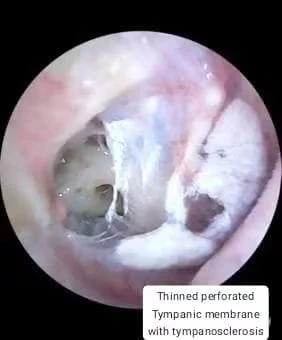
Ear Wax Removal by Microsuction
Removal of impacted ear wax using a controlled suction probe under direct microscopic visualization, without irrigation. Suitable when wax is causing hearing difficulty, discomfort, or blocking examination of the eardrum.
Read about Ear Wax Removal →Myringotomy and Grommet Insertion
A small incision in the eardrum allows drainage of middle-ear fluid, and a ventilation tube is placed to equalize pressure. Commonly used in children with persistent middle-ear fluid, associated hearing loss, or selected recurrent middle-ear infections.
Read about Grommet Insertion →Foreign Body Removal
Objects lodged in the ear canal are removed under direct visualization. The method depends on the type, location, and depth of the foreign body, and is more commonly required in young children.
Ear Reconstruction and Microsurgery
Tympanoplasty
Surgical repair of a perforated eardrum using the patient's own tissue, typically taken from the area above the ear. The surgical approach and anaesthetic depend on the size and location of the perforation and the condition of the middle ear.
Read about Tympanoplasty →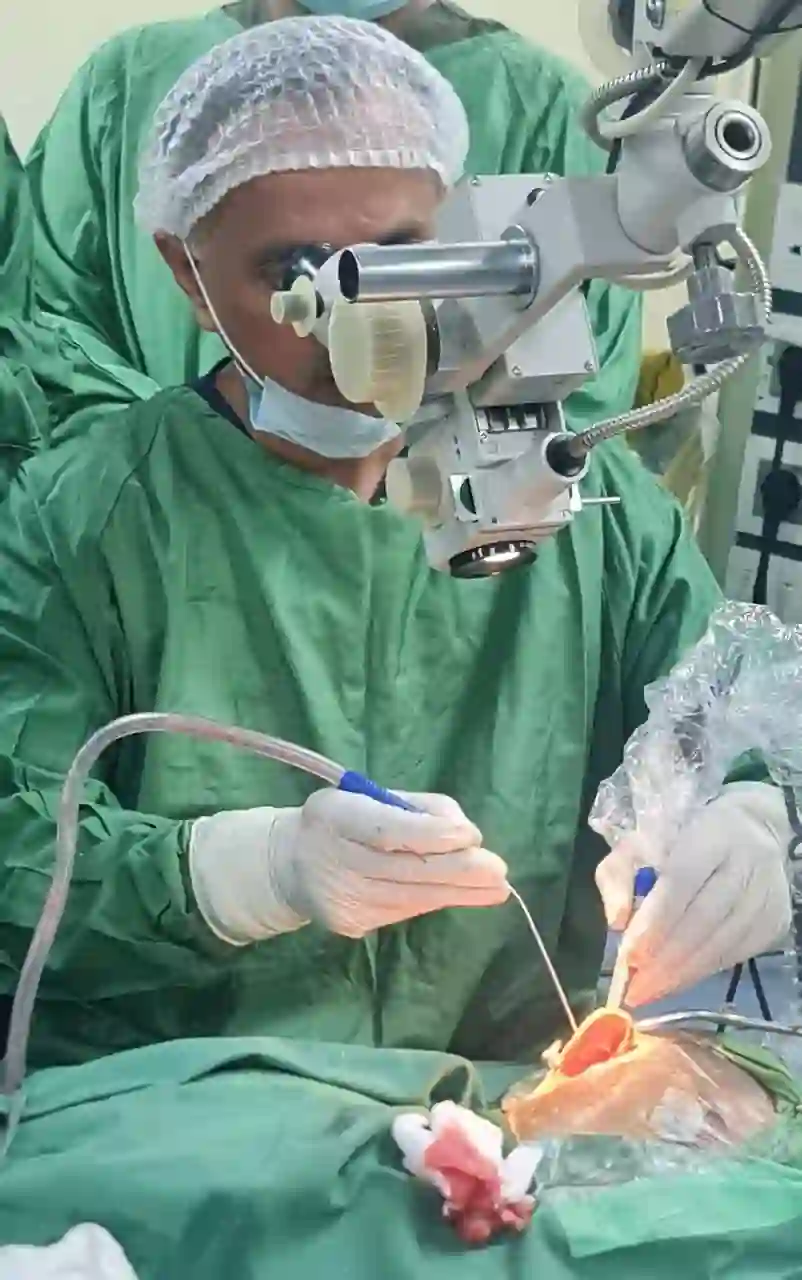
Mastoidectomy
Surgery to remove diseased mastoid air cells, performed as part of treatment for cholesteatoma or chronic middle-ear disease. Hearing bone reconstruction may be staged as a separate procedure depending on the extent of disease.
Read about Mastoidectomy →Ossiculoplasty
Reconstruction of the hearing bone chain following damage from infection, cholesteatoma, or trauma. The procedure restores the mechanical connection between the eardrum and inner ear and may be performed alongside tympanoplasty or as a separate operation.
Stapedectomy
The stapes, one of the three small bones in the middle ear, can become fixed in otosclerosis, causing progressive conductive hearing loss. Stapedectomy removes the fixed bone and replaces it with a prosthesis. Hearing outcomes in appropriately selected patients are generally favorable, but results depend on the diagnosis, anatomy, and individual clinical factors.
Read about Stapedectomy →Hearing Restoration and Implantation
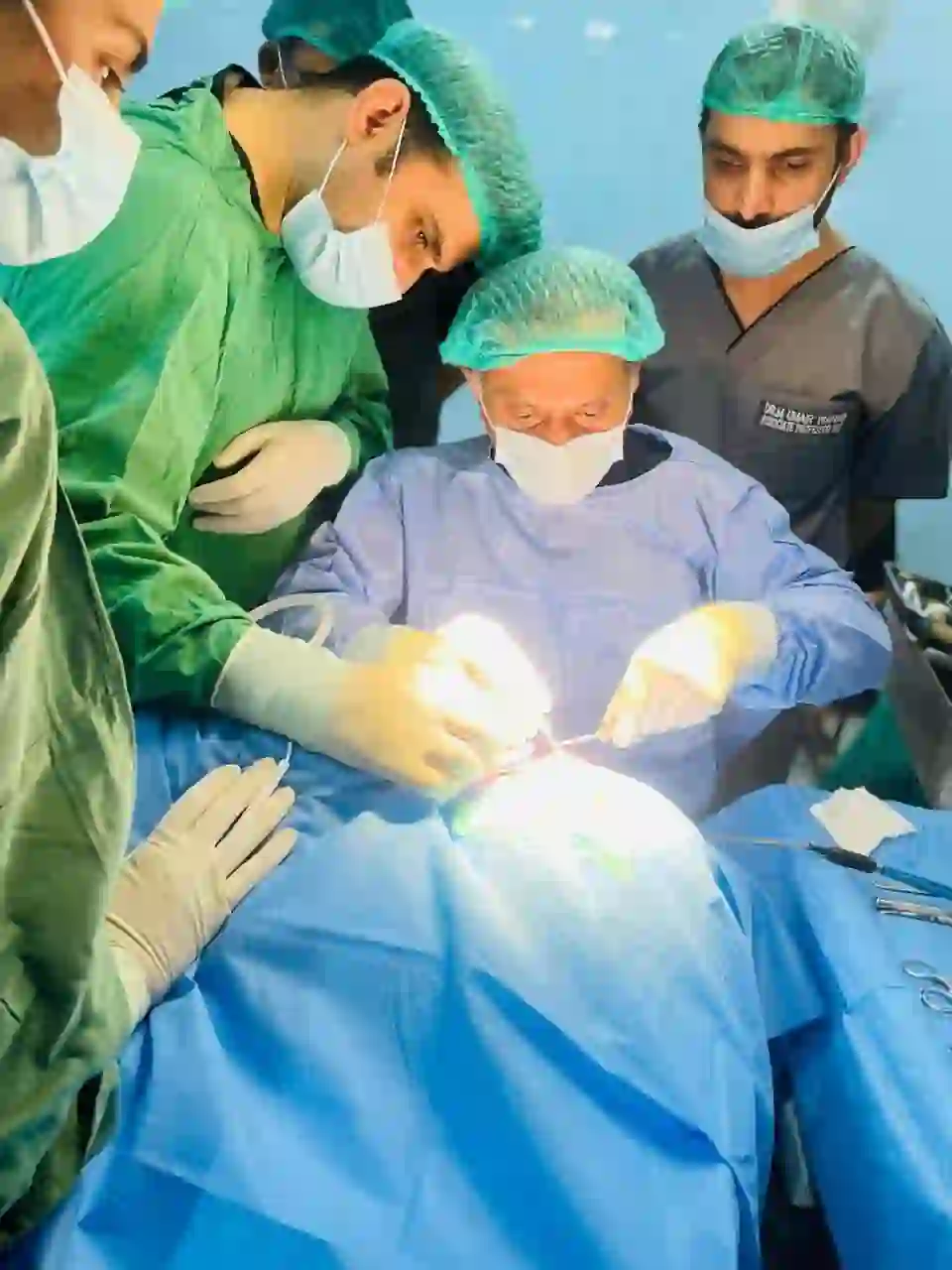
Cochlear Implant Surgery
A cochlear implant is an electronic device that bypasses the damaged cochlea and stimulates the auditory nerve directly. It is considered for selected patients with severe-to-profound sensorineural hearing loss who receive limited benefit from appropriately fitted hearing aids. Full candidacy assessment is carried out before any surgical decision is made.
Read about Cochlear Implant Surgery →Bone-Anchored Hearing Device
A small titanium implant is placed in the skull bone behind the ear. It transmits sound vibrations through bone directly to the cochlea. Used for selected patients with conductive or mixed hearing loss, single-sided deafness, or when conventional hearing aids cannot be used.
External Ear
Otoplasty
Surgical reshaping of the outer ear for prominent or asymmetric ears. Performed under local anaesthesia in adults and under general anaesthesia in children, with the approach and technique depending on the degree of correction required.
Conditions Treated by an Ear Specialist in Lahore
The outer, middle, and inner ear have different structures and functions, so ear conditions vary widely in their causes, symptoms, and treatment. Below is an overview of the conditions commonly managed by an ear specialist.
Outer Ear Conditions
Problems affecting the ear canal and the outer ear include impacted earwax, otitis externa (swimmer's ear), foreign bodies in the ear canal, and structural conditions of the outer ear such as prominent ears.
Read about Outer Ear Conditions →Middle Ear Conditions
The middle ear is a common site of infection, structural damage, and chronic disease. Conditions treated include acute and chronic otitis media, glue ear (otitis media with effusion), perforated eardrum, cholesteatoma, and otosclerosis, in which one of the small bones of the middle ear becomes fixed and causes progressive hearing loss.
Read about Middle Ear Conditions →Inner Ear and Balance Conditions
The inner ear contains the cochlea, which is responsible for hearing, and the vestibular system, which contributes to balance. Conditions affecting this area include sensorineural hearing loss, tinnitus, benign paroxysmal positional vertigo (BPPV), labyrinthitis, and Meniere's disease.
Read about Inner Ear and Balance Conditions →What Are the First Signs of Inner Ear Problems?
Symptoms such as changes in hearing, ringing in the ear, spinning sensations, ear fullness, or balance difficulties can be associated with conditions affecting the inner ear, though they can also have other causes. The inner ear contains the cochlea, responsible for hearing, and the vestibular system, which contributes to balance. Symptoms can reflect involvement of one or both.
1. Sudden Drop in Hearing in One Ear
A sudden unexplained reduction in hearing, particularly in one ear, warrants prompt medical assessment. Some causes of sudden sensorineural hearing loss are time-sensitive, and early evaluation helps determine whether treatment is needed. If hearing changes suddenly over hours or days without an obvious cause such as a cold or ear wax, an ear specialist assessment is advisable without delay. The World Health Organization estimates that over 5% of the world’s population needs rehabilitation for disabling hearing loss — see the WHO fact sheet on deafness and hearing loss.
2. Ringing or Buzzing in One Ear (Tinnitus)
Brief ringing after exposure to loud sound is common and usually resolves. Persistent tinnitus in one ear, particularly if it worsens, fluctuates, or is associated with hearing change, warrants assessment. There are several possible causes, including disorders affecting the hearing nerve, and appropriate evaluation helps identify the underlying reason.
3. Spinning Sensation (Vertigo)
Vertigo is the sensation that the room is rotating or that you are moving when you are not. BPPV often causes brief spinning episodes triggered by changes in head position. Meniere's disease can cause recurrent vertigo episodes that may last from minutes to hours and may be associated with fluctuating hearing or ear fullness. Both conditions require assessment to confirm the diagnosis before treatment.
4. Persistent Ear Fullness or Pressure
A feeling of fullness or pressure deep in the ear can have several causes, including Eustachian tube dysfunction, middle-ear fluid, or inner-ear conditions. When ear fullness is persistent, unexplained, and not associated with an obvious upper respiratory infection or wax, an ENT assessment is appropriate.
5. Difficulty Understanding Speech in Noisy Environments
Some people report difficulty following speech in noisy places despite hearing sounds clearly in quiet. This pattern can reflect changes in how the cochlea or auditory system processes sound. Further hearing evaluation, including speech testing where indicated, can help identify the cause.
6. Balance Problems or Unsteadiness
Difficulty maintaining balance, particularly on uneven ground or in low light, can be associated with vestibular system dysfunction. Balance problems have multiple possible causes and require proper assessment to identify whether the inner ear, neurological factors, or other conditions are involved.
7. Hearing Your Own Heartbeat in the Ear (Pulsatile Tinnitus)
Tinnitus that beats in time with your pulse is called pulsatile tinnitus. Unlike conventional tinnitus, it can have vascular or structural causes and warrants medical assessment, particularly when persistent, unexplained, or accompanied by other symptoms.
Any of these symptoms that are persistent, unexplained, or worsening should be assessed by an ear specialist. Early evaluation helps identify the cause and, where relevant, the appropriate treatment.
Hearing and Listening Problems: Causes, Symptoms & Treatment
Common Reasons Behind Ear Pain — Causes & Treatments
Red Flags in ENT — When an Ear Problem Needs Urgent Attention
Some ear symptoms require prompt or urgent medical assessment. The level of urgency depends on the symptoms, how quickly they developed, and any associated features. The situations below generally warrant medical attention without unnecessary delay.
Sudden Unexplained Hearing Loss in One Ear
A sudden unexplained drop in hearing, particularly in one ear, requires prompt medical assessment. Some causes of sudden sensorineural hearing loss are time-sensitive, and earlier evaluation helps determine whether treatment is appropriate. If hearing changes rapidly over hours to days without an obvious cause such as a cold or ear wax, seek assessment promptly rather than waiting.
Swelling or Redness Behind the Ear with Fever
Tenderness, swelling, and redness over the bone behind the ear combined with fever can indicate a serious infection such as mastoiditis. This requires same-day medical assessment.
New Facial Weakness on the Same Side as an Ear Problem
Sudden onset of weakness or drooping on one side of the face, particularly when it appears alongside hearing loss, ear discharge, or other ear symptoms, requires urgent medical evaluation to identify the cause.
Unexplained Bleeding from the Ear Canal
Blood from the ear canal without a clear cause such as recent instrumentation or minor trauma should be assessed by a clinician. Several conditions can cause ear bleeding, and an appropriate examination is needed to determine the reason.
A New, Persistent, or Growing Lump Near the Ear
A tender lump near the ear is often a reacting lymph node associated with a local infection. However, a lump that is painless, persistent, enlarging, or hardening without explanation warrants medical assessment.
Severe Vertigo with Hearing Loss or Other Neurological Symptoms
Severe vertigo occurring together with new hearing loss, significant headache, double vision, difficulty speaking, weakness in the limbs, or other neurological symptoms requires urgent medical evaluation. These combinations can have several causes, some of which need rapid assessment to determine whether emergency management is required.
If you are uncertain about the urgency of your symptoms, seek medical advice promptly. An ear specialist assessment can be arranged for symptoms that do not require emergency care but need evaluation without delay.
When Should You See an Ear Specialist in Lahore Instead of a General Practitioner (GP)?
Many uncomplicated ear problems can be assessed initially in primary care. Specialist assessment is appropriate when symptoms persist, recur, affect hearing or balance, or suggest a condition requiring specialist examination, testing, or surgery.
| Commonly Assessed in Primary Care | May Require Ear Specialist Assessment | Why Specialist Assessment Matters |
|---|---|---|
| Mild ear pain after a cold | Hearing loss | Requires audiometry and specialist examination to determine type, degree, and cause |
| Simple outer-ear infection | Sudden unexplained hearing loss | Some causes are time-sensitive and require prompt evaluation |
| Mild ear wax build-up | Recurrent ear infections | May require specialist examination to identify the underlying cause and assess middle-ear status |
| Routine follow-up after improvement | Persistent ear discharge | May require detailed ear examination and, depending on findings, hearing tests or imaging |
| Persistent one-sided tinnitus | May require hearing assessment and, in selected cases, imaging based on clinical findings | |
| Recurrent or persistent vertigo | May require specialist assessment, particularly when associated with hearing changes or balance symptoms | |
| Perforated eardrum | May require specialist assessment to evaluate healing, hearing impact, and whether repair is appropriate | |
| Cholesteatoma | Requires specialist ear surgery assessment and management | |
| Failed newborn hearing screen | Requires prompt hearing assessment involving audiology and, where indicated, ENT | |
| Speech delay with hearing concerns | Warrants hearing evaluation, as hearing loss can contribute to speech and language development | |
| Facial weakness with ear symptoms | Requires urgent medical assessment | |
| Cochlear implant assessment | Requires specialist multidisciplinary evaluation before any surgical decision |
Ear Specialist for Children and Babies in Lahore
Children's ear and hearing problems have age-specific features, particularly in the early years when hearing supports speech, language, and learning. Prof. Dr. Muhammad Irshad Malik provides ear specialist assessment and treatment for newborns, infants, children, and teenagers, covering both common and more complex paediatric ear conditions.
Early identification of hearing problems allows earlier assessment and, where appropriate, intervention to support speech and language development. Parents should consider specialist assessment if their child has recurrent ear infections, difficulty hearing, persistent ear discharge, delayed speech with a possible hearing component, or a failed newborn hearing screen.
Common Paediatric Ear Conditions
- Recurrent Ear Infections (otitis media) in infants and children
- Glue Ear (otitis media with effusion) causing fluid behind the eardrum
- Hearing Loss in Children including mild, moderate, and severe degrees
- Congenital Hearing Problems identified from newborn screening or early assessment
- Failed Newborn Hearing Screen requiring diagnostic audiological follow-up
- Ear Wax Blockage affecting hearing in school-age children
- Perforated Eardrum following infection or injury
- Foreign Body in the Ear, particularly in young children
- Tinnitus in Children when persistent and affecting concentration or sleep
- Balance and Vestibular Disorders affecting coordination and confidence
Hearing assessment for children is adapted to the child's age and developmental stage, using age-appropriate testing methods including OAE, ABR, and behavioral audiometry where relevant.
Our ENT Clinic Locations — Ear Specialist Clinic in Valencia Town, Johar Town and Jail Road Lahore
Prof. Dr. Muhammad Irshad Malik holds ear specialist consultations at three clinics across Lahore, Pakistan, making specialist ear care accessible to patients from Valencia Town, DHA Lahore, Gulberg, Model Town, Garden Town, Johar Town, Faisal Town, Wapda Town, Bahria Town Lahore, Cantt, Allama Iqbal Town, and surrounding areas.
Ear Care Videos by Dr. Irshad Malik
The videos below feature Prof. Dr. Muhammad Irshad Malik explaining common ear conditions in both English and Urdu, covering symptoms, causes, and when specialist assessment is appropriate.
What Causes Ear Discharge? | Kan Se Resha Kyun Ata Hai?
Dr. Irshad Malik explains why discharge comes from the ear and how it is treated.
Kan Ka Parda Phat Jaye To Kia Karen? | Ear Drum Surgery
What to do if the eardrum is perforated, and how ear drum surgery restores hearing.
Kaan Main Sujhan | Swelling In Ear
Causes of ear swelling and how an ENT specialist clears it safely.
Frequently Asked Questions — Ear Specialist Lahore
What is the difference between an ENT specialist and an otologist?
An ENT specialist diagnoses and treats conditions of the ear, nose, and throat. An otologist is an ENT specialist whose clinical practice focuses particularly on disorders of the ear, hearing, and balance. Prof. Dr. Muhammad Irshad Malik is an FCPS-qualified ENT surgeon with over 20 years of ear surgical experience, including cochlear implant surgery and ear microsurgery.
Is an ear examination painful?
Otoscopy, microscopic ear examination, audiometry, and tympanometry are generally non-invasive and painless. The length and content of a consultation depend on the patient's symptoms and which tests are clinically indicated.
How should I choose an ear surgeon?
When choosing an ear surgeon, consider whether they hold a relevant postgraduate specialist qualification such as FCPS (ENT Surgery), have experience with the specific procedure being considered, have access to appropriate surgical facilities and equipment, and are able to explain the diagnosis and your options clearly before any decision is made.
When should I see an ear specialist?
Specialist assessment may be appropriate when ear symptoms are persistent, recurrent, affect hearing or balance, or suggest a condition that requires specialist examination, testing, or surgery. Sudden unexplained hearing loss in one ear, persistent one-sided tinnitus, recurrent vertigo, and unexplained ear discharge are among the symptoms that may warrant assessment without delay.
Should I see a GP or an ear specialist first?
A GP can assess many uncomplicated ear problems and arrange onward care when needed. An ear specialist may be more appropriate when hearing loss is sudden, persistent, or accompanied by other ear symptoms, when recurrent infections are not resolving, or when a condition may require specialized examination or treatment.
Can babies and children see an ear specialist?
Yes, from birth. Prof. Dr. Muhammad Irshad Malik assesses and treats newborns, infants, children, and teenagers for ear and hearing conditions. Paediatric hearing assessment uses age-appropriate methods including OAE and ABR testing. Early childhood hearing is important for speech, language, and communication development, so concerns should be assessed promptly.
What is the consultation fee?
Consultation fees vary. Please contact ENT 360 Care Clinic directly on 0303-0354233 for current fees. The clinic can advise on whether any hearing tests or ear examinations will be arranged as part of your visit.
Transcripts for ear specialist videos
Written transcripts of the educational content in the videos on this page. Open a transcript if you prefer reading or need a text alternative.
Transcript: Hearing and Listening Problems: Causes, Symptoms, and Treatment Options
Prof. Dr. Muhammad Irshad Malik discusses hearing and listening problems — why hearing may drop, how symptoms present, and when treatment helps.
He distinguishes conductive problems (wax, middle-ear fluid, eardrum or ossicle disease) from sensorineural hearing loss related to the inner ear or nerve pathway, and explains why the distinction matters for treatment.
Symptoms covered include muffled hearing, difficulty in noise, asking people to repeat, tinnitus, and ear fullness. He emphasises sudden hearing loss as a reason for prompt assessment.
Treatment pathways include clearing reversible causes, medical therapy for infection or Eustachian tube–related issues, hearing rehabilitation when indicated, and surgical options for selected middle-ear disease. He encourages formal ENT evaluation and audiology in Lahore rather than delaying care.
Transcript: Common Reasons Behind Ear Pain: Causes and Treatments Explained by an ENT Specialist
An ENT overview of common reasons for ear pain and how treatment follows the examination findings.
Causes discussed include outer-ear infection (otitis externa), middle-ear infection, referred pain from the throat or teeth, trauma, and pressure-related pain. He explains why looking in the ear and assessing the throat and jaw are essential before assuming “just an infection.”
Treatment is matched to the cause: topical or oral medicines for infection, pain control, avoiding harmful ear cleaning, and further investigation when pain is severe, persistent, or linked with hearing loss, discharge, or fever.
Patients are advised to seek ENT care in Lahore when ear pain does not settle, recurs, or is accompanied by worrying associated symptoms.
Transcript: What Causes Ear Discharge? | Kan Se Resha Kyun Ata Hai?
Prof. Dr. Muhammad Irshad Malik explains ear discharge (kan se resha) — why fluid or pus comes from the ear and how it is assessed.
He covers common causes such as outer-ear infection, middle-ear infection with eardrum perforation, and chronic ear disease. The spoken teaching stresses that discharge should not be ignored, especially when foul-smelling, bloody, or paired with hearing loss or pain.
Assessment includes examining the canal and eardrum, treating active infection, and identifying whether a perforation or deeper disease needs further care. He warns against putting oil, sticks, or unverified remedies into a discharging ear.
Treatment may include cleaning under vision, medicated drops, oral antibiotics when indicated, and surgery for selected chronic perforations or cholesteatoma risk. Patients in Lahore are encouraged to see an ENT specialist for persistent discharge.
Transcript: Kan Ka Parda Phat Jaye To Kia Karen? | Ear Drum Surgery
Prof. Dr. Muhammad Irshad Malik explains what to do if the eardrum is perforated (kan ka parda phat jana) and when eardrum surgery may help.
He describes how perforations can follow infection, trauma, or pressure injury, and symptoms such as hearing loss, discharge, and recurrent infection. Small perforations sometimes heal; persistent ones may need tympanoplasty to close the drum and protect the middle ear.
The video outlines surgical principles: grafting to repair the eardrum, addressing infection first, and aiming to improve hearing when the middle-ear structures allow. Aftercare includes keeping the ear dry and attending follow-up.
He advises ENT assessment in Lahore rather than waiting indefinitely when a known perforation keeps discharging or affects hearing.
Transcript: Kaan Main Sujhan | Swelling In Ear and How To Get Rid Of It
Prof. Dr. Muhammad Irshad Malik discusses swelling in or around the ear (kaan main sujhan) and how to clear it safely.
He reviews causes including outer-ear infection with canal swelling, inflamed lymph nodes, cysts, and post-traumatic swelling. Painful red swelling with fever needs timely care; painless lumps that persist also warrant examination.
Safe management starts with proper diagnosis — not squeezing, probing, or putting harsh chemicals in the ear. Treatment may include medicines for infection, careful cleaning, and drainage only when clinically appropriate.
He encourages patients to consult an ENT specialist in Lahore for ear swelling that is severe, recurrent, or linked with hearing change or discharge.